The Twenty-Six Words That Created the Internet by Jeff Kosseff
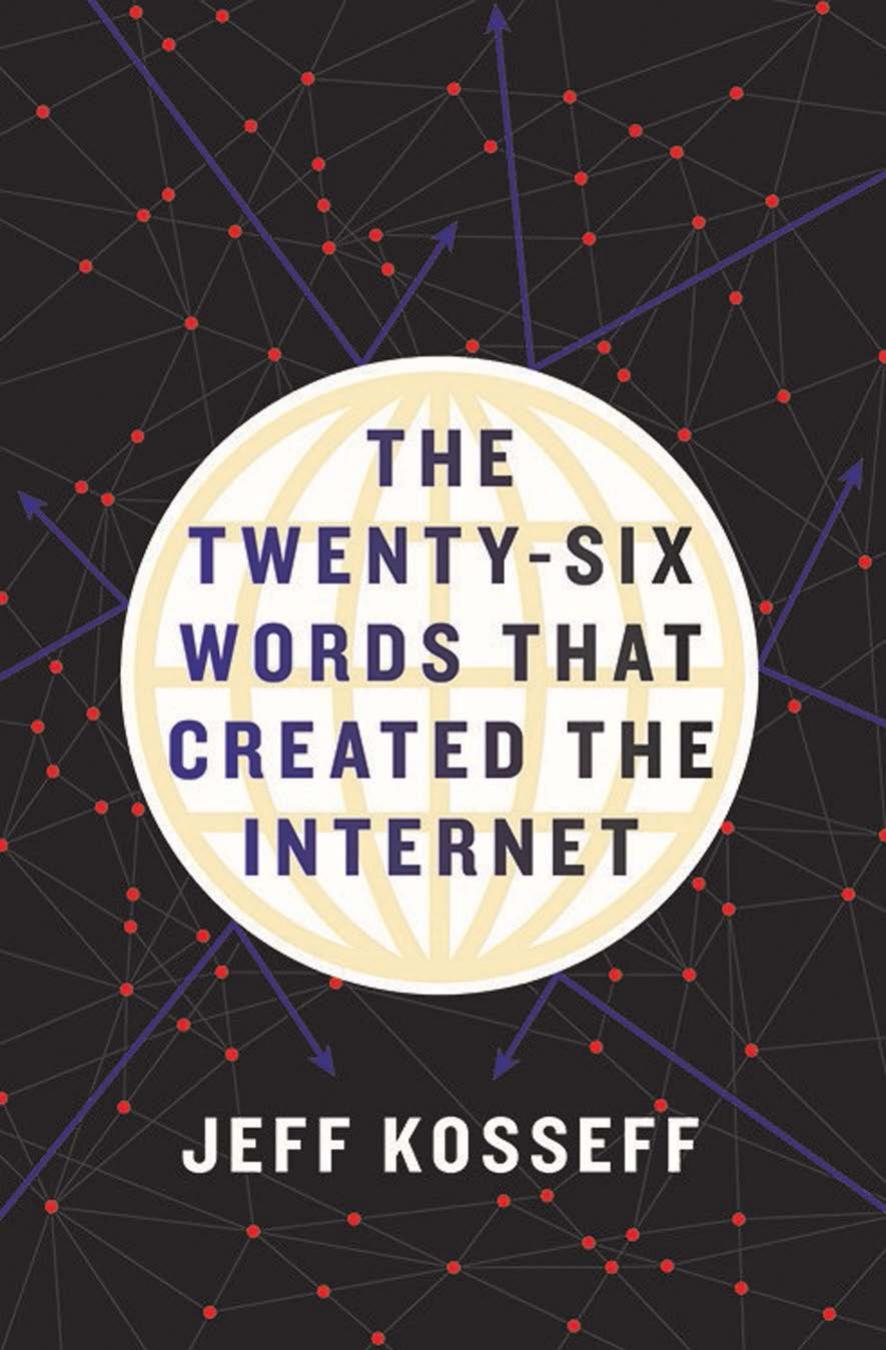
Author:Jeff Kosseff
Language: eng
Format: epub, pdf
Publisher: Cornell University Press
Published: 2019-01-21T00:00:00+00:00
Part III
The Gradual Erosion of Section 230
During the first decade of Section 230, the section evolved from an obscure sliver of a massive telecommunications law to one of the most fundamental protections for online speech and online innovation. But Section 230 also began to draw critics. With each victory for an online platformâand a loss for a sympathetic victimâjudges were raising questions about the wisdom of providing such sweeping and unprecedented protection for websites. With dozens of state and federal courts around the country adopting the Fourth Circuitâs Zeran ruling, judges largely were boxed in and stuck with an expansive interpretation of Section 230âs protection. The U.S. Supreme Court had never taken a case that required it to interpret Section 230, so Zeran effectively was the law of the land. Still, there were two key ambiguities in Section 230 that allowed judges to begin to chip away at the edges of its immunity. To understand these ambiguities, consider again the twenty-six words of Section 230: âNo provider or user of an interactive computer service shall be treated as the publisher or speaker of any information provided by another information content provider.â
First, the platforms are immune only from information that is âprovided by another information content provider.â If a plaintiff can show that the website, in fact, was an information content provider, then the website would not receive Section 230 immunity. Second, even if a third party was responsible for creating all the content that was the subject of the lawsuit, Section 230 prevents courts only from treating the platform as a âpublisher or speaker.â If the plaintiff can demonstrate that the lawsuit stemmed from an action of the defendant other than publishing or speakingâsuch as breaking a promise or failing to warn of dangerâthen a court might decide that Section 230 did not block the lawsuit.
The following two chapters explain how courts have seized on both rationales and denied immunity to many platforms. If the first decade of Section 230 represented an expansion of the sectionâs reach, its second decade represented a slow but steady erosion.
Download
The Twenty-Six Words That Created the Internet by Jeff Kosseff.pdf
This site does not store any files on its server. We only index and link to content provided by other sites. Please contact the content providers to delete copyright contents if any and email us, we'll remove relevant links or contents immediately.
| Anthropology | Archaeology |
| Philosophy | Politics & Government |
| Social Sciences | Sociology |
| Women's Studies |
Cecilia; Or, Memoirs of an Heiress — Volume 1 by Fanny Burney(32636)
The Great Music City by Andrea Baker(32609)
Cecilia; Or, Memoirs of an Heiress — Volume 2 by Fanny Burney(32010)
Cecilia; Or, Memoirs of an Heiress — Volume 3 by Fanny Burney(31996)
We're Going to Need More Wine by Gabrielle Union(19108)
All the Missing Girls by Megan Miranda(16314)
Pimp by Iceberg Slim(14664)
For the Love of Europe by Rick Steves(14566)
Bombshells: Glamour Girls of a Lifetime by Sullivan Steve(14136)
Norse Mythology by Gaiman Neil(13457)
Talking to Strangers by Malcolm Gladwell(13439)
Fifty Shades Freed by E L James(13289)
Mindhunter: Inside the FBI's Elite Serial Crime Unit by John E. Douglas & Mark Olshaker(9419)
Crazy Rich Asians by Kevin Kwan(9345)
The Lost Art of Listening by Michael P. Nichols(7547)
Enlightenment Now: The Case for Reason, Science, Humanism, and Progress by Steven Pinker(7354)
The Four Agreements by Don Miguel Ruiz(6833)
Bad Blood by John Carreyrou(6669)
Weapons of Math Destruction by Cathy O'Neil(6362)
